
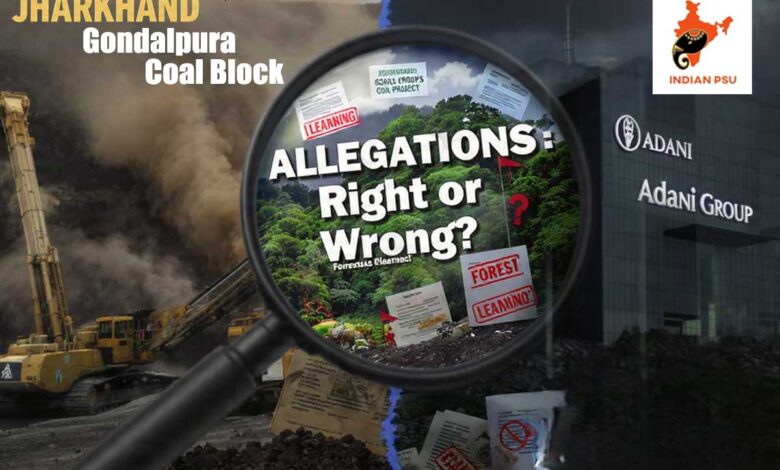
Adani Gondalpura Coal Block Under MoEFCC Lens as Jharkhand State Faces Forest Clearance Fraud Allegations; Company Calls Charges Baseless
Allegations of manipulation of forest, river or land-use data are entirely unfounded. All such records were prepared, certified and validated entirely by statutory authorities, says Adani Group
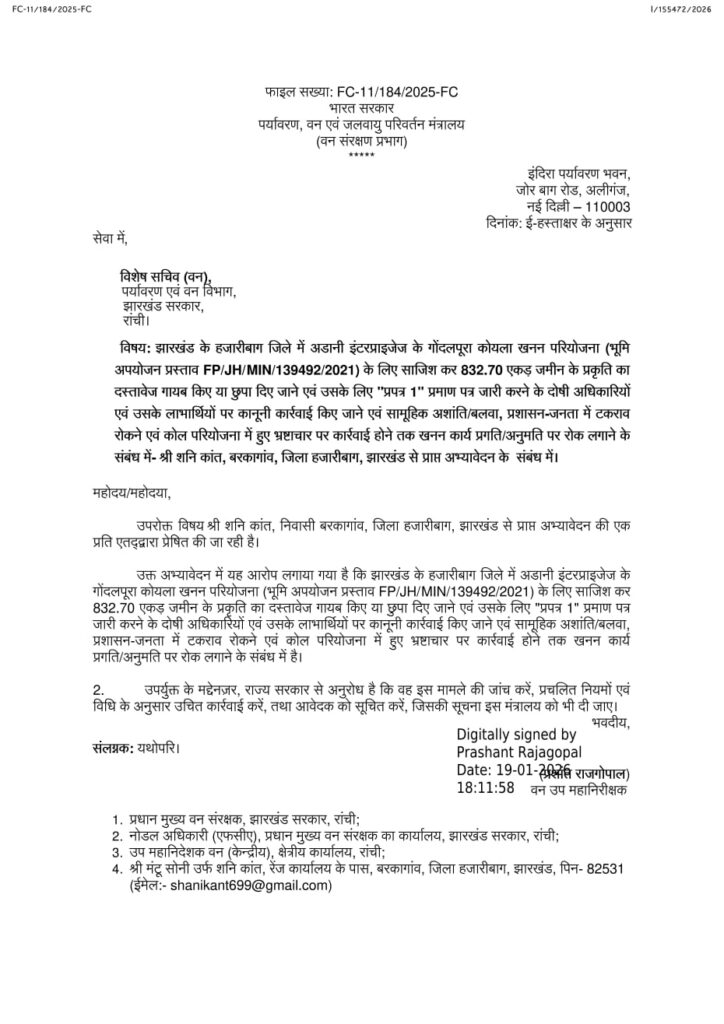
Serious allegations of fraud, administrative collusion and violation of tribal land rights have brought Adani Enterprises’ Gondalpura coal mining project under intense scrutiny after the Ministry of Environment, Forest and Climate Change (MoEFCC) issued a formal notice to the Jharkhand government over questionable forest clearance granted for diversion of 832.70 acres of land.
The ministry’s intervention follows a detailed complaint filed by local activist and whistleblower Shani Kant, who accused state authorities of securing environmental approvals through false affidavits and misrepresentation of facts under Proposal No. FP/JH/MIN/139492/2021. The allegations have raised troubling questions over regulatory integrity in India’s post-auction coal regime.
MoEFCC has directed Jharkhand’s Environment and Forest Department to examine the charges, initiate action under applicable laws, keep the complainant informed of developments, and submit a compliance report to the Centre.
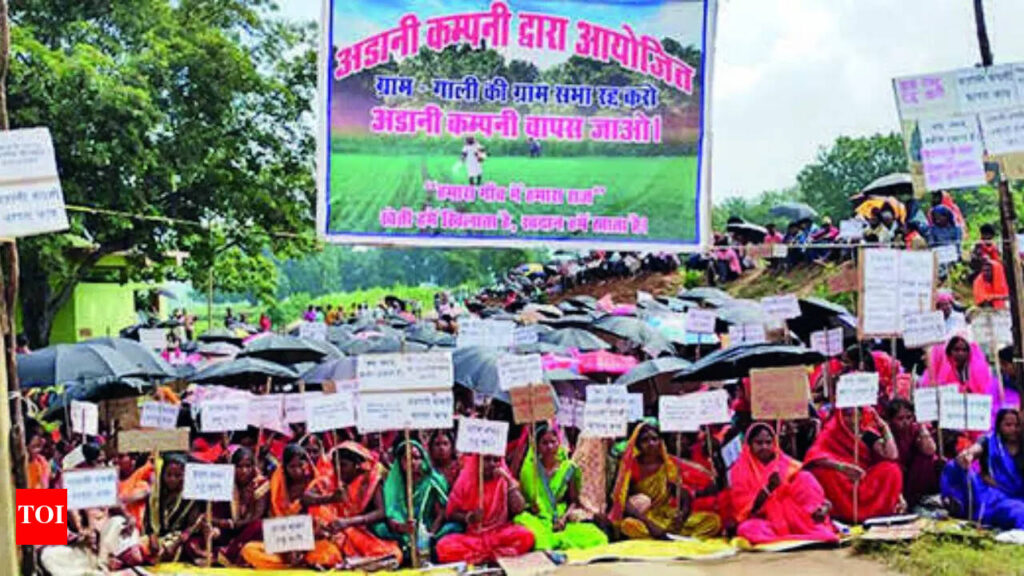
Public Hearing Erupts Amid Villagers’ Protest
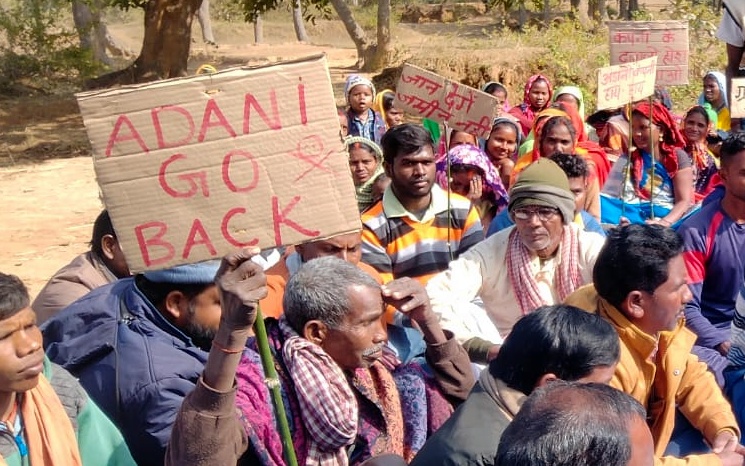
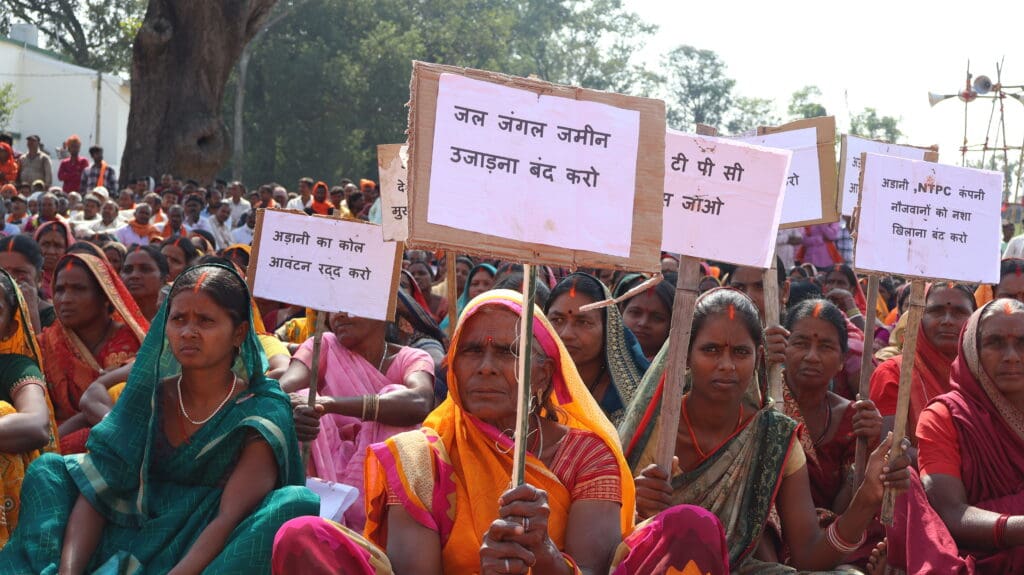
Tensions flared earlier this week when the mandatory environmental public hearing for the project was abruptly cancelled following fierce resistance from villagers.

Residents alleged the hearing was stage-managed to manufacture consent, claiming outsiders were brought in while original raiyats were prevented from accessing the venue. Barricades were reportedly erected near the Chiraiya River to block genuine landowners from participating.
Two rival groups clashed at the site, with one faction allegedly vandalising the pandal and assaulting attendees while masking their identities. The opposing group accused the local administration of facilitating a “fake public hearing” and termed the exercise unconstitutional. Panic ensued, forcing villagers to flee and prompting authorities to call off the proceedings.
Tribal Resistance Deepens
The proposed mining zone is home to the Manjhi tribal community and Scheduled Caste groups including Ghanju, Ghuyian and Turi. Census data indicates nearly 4,029 people could face displacement.
Villagers maintain that the land earmarked for mining is fertile agricultural terrain producing rice, wheat and sugarcane throughout the year. Forests surrounding the fields also support wildlife, now increasingly threatened by expanding mining operations in the region.
In September 2021, Gondalpura’s Gram Sabha unanimously barred Adani officials from entering the village, asserting community ownership over land and natural resources. Residents continue to demand that Barkagaon be declared an agriculture-only zone, citing irreversible environmental damage caused by nearby coal mines.
Rivers at Risk, Ecology Under Pressure
Gondalpura lies along the Damodar River, while its tributary Brahmadiha cuts through the project area. Locals warn that further excavation could contaminate vital water sources used for farming and daily consumption.
With multiple mining blocks already operational nearby, concerns are mounting over cumulative ecological degradation, groundwater depletion and long-term agricultural collapse.
Unlike earlier controversies involving public sector miners, this dispute centres on one of India’s largest private conglomerates, intensifying debate over corporate accountability in commercially auctioned coal blocks.
Project Snapshot
Adani Group acquired the Gondalpura coal block in November 2020 as part of the Centre’s auction of 41 coal blocks across states. The block reportedly contains around 176 million tonnes of coal reserves. The proposed mining area spans 513.18 hectares, including nearly 219 hectares of forest land, with a projected investment of approximately ₹99,800 lakh.
Adani Enterprises Responds
Responding to queries from www.indianpsu.com, an Adani Enterprises spokesperson said the company has complied with all mandated legal and regulatory requirements for the Gondalpura Coal Project.
“Adani Enterprises has complied fully with every mandated legal and regulatory requirement for the Gondulpara Coal Project. All submissions have been made strictly in accordance with the Forest (Conservation) Act, 1980 and the Jharkhand Government’s 2018 Order. Key statutory documents — including the Deputy Commissioner’s Form-I certificate — were issued through transparent processes and are based solely on government-verified land records.
Allegations of manipulation of forest, river or land-use data are entirely unfounded. All such records were prepared, certified and validated entirely by statutory authorities, including the Circle Officer, District Forest Officer and Deputy Commissioner. Environmental and wildlife assessments have been conducted in full compliance with the Environment (Protection) Act and Environment Impact Assessment norms, incorporating expert appraisal and mandatory public consultation.
Land acquisition for the project is being carried out strictly under the Right to Fair Compensation and Transparency in Land Acquisition, Rehabilitation and Resettlement Act, ensuring transparency, consent-based engagement and fair rehabilitation. Adani Enterprises has already submitted its response to the Ministry of Coal addressing all issues raised in the queries.”
Regulatory Integrity Under the Scanner
With MoEFCC now seeking accountability from Jharkhand authorities, activists argue the Gondalpura case could become a test of India’s environmental governance framework in the era of commercial coal mining.
From Adani Group’s perspective, the Gondalpura block represents a long-gestation investment, with substantial capital deployed over more than five years but commercial mining — and any return on investment — still pending.
Editor’s Take – For Jharkhand, where nearly 26% of the population belongs to Scheduled Tribes, development outcomes will hinge on integrating mineral extraction with rights-based planning — ensuring communities are stakeholders, not spectators, in decisions that reshape their landscapes. Cases like Gondalpura underline the urgent need for a more inclusive development framework that balances investment imperatives with meaningful community engagement, transparent governance and sustainable land-use planning. Too often, however, local political leadership compounds these conflicts by prioritising vote-bank calculations over constructive mediation, deepening mistrust between investors and communities. In resource-rich states such as Jharkhand, long-term progress will depend not merely on attracting capital, but on building trust through participatory decision-making, fair rehabilitation and robust environmental safeguards that place local livelihoods at the centre of growth. Only then can mining-led development translate into shared prosperity rather than prolonged contestation.
We Report, You Decide…