
IEA Warns Methane Cuts Can Ease Global Gas Crisis, Boost Energy Security
Global Methane Tracker 2026 says fossil fuel methane emissions remain near record highs; India among major coal producers urged to act
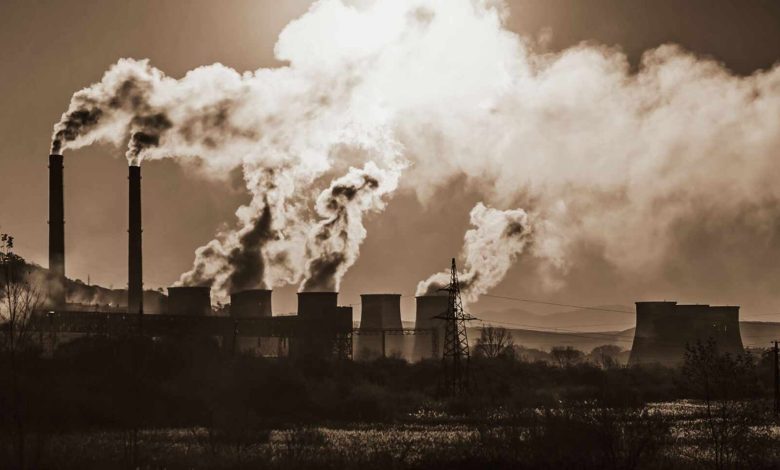
The International Energy Agency (IEA) has said that urgent action to cut methane leaks from fossil fuel operations can significantly improve global energy security at a time when gas supplies remain under pressure due to the Middle East crisis.
Launching its Global Methane Tracker 2026, the IEA said plugging methane leaks and ending routine gas flaring could bring nearly 200 billion cubic metres of gas annually back into global markets over the long term — almost double the supply disrupted by the effective closure of the Strait of Hormuz.
The agency said methane emissions from the global energy sector remained near record highs in 2025 despite repeated climate commitments by oil, gas and coal producers, exposing a major gap between promises and implementation.
According to the report, nearly 70% of fossil fuel methane emissions can be reduced using existing technologies, while a large portion can be eliminated at little or no net cost because the captured gas itself can be commercially used.
IEA Chief Energy Economist Tim Gould said methane reduction is no longer only a climate concern but also an immediate energy supply issue as the world looks for additional gas volumes.
The report has also put fresh spotlight on methane emissions from coal mining, saying major coal-producing countries need to accelerate methane capture and mitigation.
This assumes significance for India, one of the world’s largest coal producers and a fast-growing gas consumer, where methane control can help reduce emissions, improve mine safety and recover valuable fuel.
The IEA’s message is clear: the world is losing huge volumes of usable gas through preventable methane leaks at a time when every unit of energy matters.
The writer of this article is Dr. Seema Javed, an environmentalist & a communications professional in the field of climate and energy