Amid Global Energy Uncertainty, GAIL Seeks Urgent LNG Cargo for Mid-March Delivery
India’s natural gas demand continues to rise faster than domestic production, increasing reliance on imported LNG
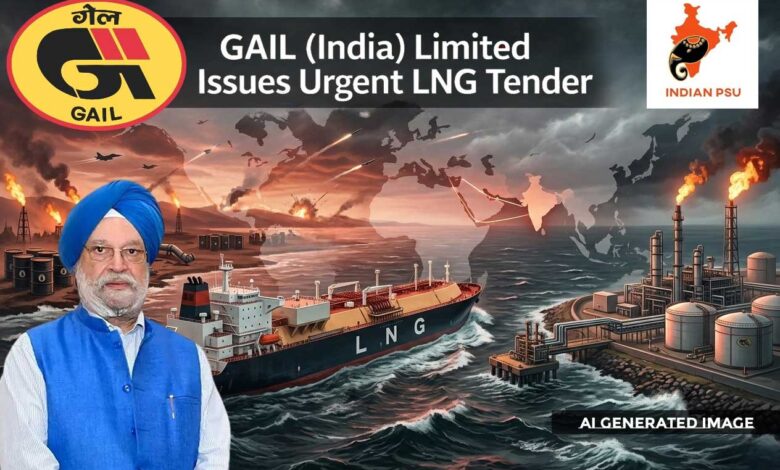
State-owned energy major GAIL (India) Limited has reportedly issued an emergency tender seeking a liquefied natural gas (LNG) cargo for delivery between March 15 and March 25, signalling a swift move to secure short-term gas supplies for the Indian market.
Sources within the Ministry of Petroleum and Natural Gas told www.indianpsu.com, on condition of anonymity, that the emergency LNG tender floated by GAIL (India) Limited reflects the proactive stance taken by Union Minister Hardeep Singh Puri, who has been keen on securing prompt LNG shipments as India’s demand for imported natural gas continues to rise amid global supply uncertainties.
According to the sources, the Minister has been holding daily review meetings with the CMDs of major oil and gas PSUs, closely monitoring developments related to petroleum and gas supplies to the country. They added that Hardeep Singh Puri has been personally overseeing both major strategic decisions and routine operational updates to ensure uninterrupted energy supplies to India during the current phase of global market volatility.
The rapid tendering process highlights GAIL’s proactive approach to managing India’s energy requirements in a volatile global gas market. With a narrow bidding window and immediate delivery schedule, the move indicates efforts to address potential short-term supply tightness or take advantage of market opportunities in the spot LNG market.
India’s natural gas demand continues to rise faster than domestic production, increasing reliance on imported LNG. Market projections suggest that India’s LNG demand could grow at a compound annual growth rate (CAGR) of over 8% through 2030, driven by industrial demand, city gas distribution expansion, and energy transition goals.
As the country’s largest gas transmission and marketing company, GAIL (India) Limited operates a pipeline network of over 16,420 kilometres, making it a critical pillar of India’s gas infrastructure.
However, domestic gas production growth remains limited, which means imports will play a larger role in meeting demand. Industry forecasts suggest India’s LNG imports could nearly double by 2030, while a widening gap between contracted supplies and demand after 2028 could expose buyers to greater spot market volatility.
Geopolitical risks also remain a factor, particularly tensions affecting shipping routes through the Strait of Hormuz, a critical corridor for global energy trade.
The company’s tender for prompt LNG cargo reflects the strategic importance of securing flexible supplies as competition intensifies across the gas value chain.
The PSU energy major is also expanding its footprint in clean energy segments, including biogas projects and LNG retail networks, alongside significant capital expenditure plans for FY27. These initiatives are aimed at strengthening long-term growth and aligning with India’s transition towards a cleaner and more diversified energy mix.