India’s Electricity Transition Gains Momentum Across States, But Progress Remains Uneven: IEEFA–Ember Report
The report assessed 21 states accounting for nearly 95% of India’s electricity demand
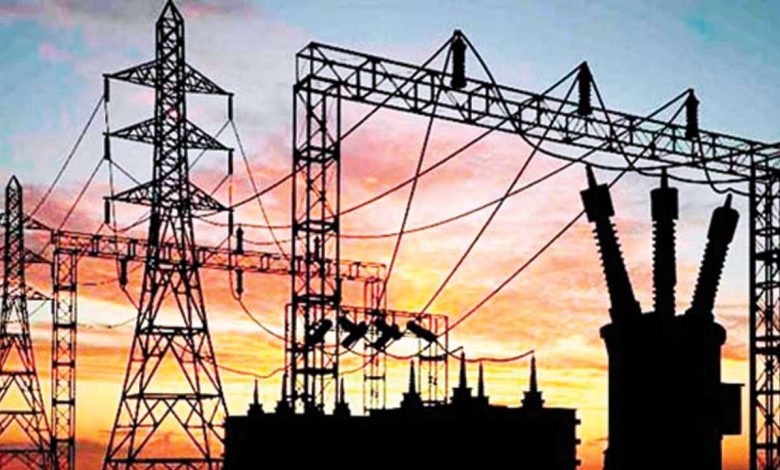
India’s electricity transition at the sub-national level is witnessing progress across multiple fronts, with all major states advancing toward cleaner power systems. However, the pace of transition continues to vary significantly, highlighting the need for coordinated Centre–State action and targeted policy interventions.
According to the latest Indian States’ Electricity Transition (SET) 2026 report jointly released by the Institute for Energy Economics and Financial Analysis (IEEFA) and Ember, the transition is no longer driven by a handful of leading states but reflects broader — though uneven — progress nationwide.
The report assessed 21 states accounting for nearly 95% of India’s electricity demand and found that each has made measurable progress across different dimensions of the energy transition.
Multi-Speed Transition Emerging
The study notes that India’s power transition is evolving into a “multi-speed” process, where different states are emerging as leaders in specific areas such as renewable deployment, grid readiness, market reforms, or electric mobility.
“All the 21 states assessed have advanced on multiple fronts, even as the pace and areas of focus vary,” said Vibhuti Garg, Director – South Asia at IEEFA and co-author of the report. Differences in resource availability, fiscal capacity, development priorities, and institutional strength continue to shape state-level outcomes.
Leaders in Decarbonisation
States such as Karnataka, Himachal Pradesh, and Kerala have made strong progress in decarbonising their electricity systems through higher renewable energy procurement and lower emissions intensity.
Despite methodological changes in SET 2026 — including revised capacity-addition measurements and inclusion of hydro power — Karnataka retained its leadership position in the decarbonisation dimension.
Tamil Nadu, Maharashtra, and Rajasthan also improved their performance, supported by energy-efficiency initiatives reflected in their State Energy Efficiency Index scores.
However, these leading states must further strengthen grid readiness, improve DISCOM finances, and enhance market conditions to sustain momentum.
Strong Power Ecosystem Performers
Delhi and Haryana continued to rank among the strongest performers in power ecosystem readiness, driven by:
- High distributed solar adoption
- Reliable electricity supply
- Relatively sound DISCOM performance
Chhattisgarh emerged as a notable performer, recording a minimal power shortage of just 0.07% in FY2025, while Bihar showed major improvements through rapid smart-meter deployment under the Revamped Distribution Sector Scheme (RDSS).
Assam also demonstrated progress, completing installation of nearly 46% of its sanctioned smart meters.
Experts emphasised that strengthening DISCOM finances, ensuring timely subsidy payments, adopting cost-reflective tariffs, and expanding digitisation will be crucial for scaling renewable procurement.
Market Enablers Driving Transition
The report’s market-enablers dimension evaluates policies promoting electric vehicles (EVs), green hydrogen, storage deployment, and green tariffs.
Andhra Pradesh, Uttar Pradesh, and Rajasthan emerged as leaders due to updated renewable policies, adoption of green tariffs, and solar-hour-aligned time-of-day tariffs.
Rajasthan stood out with a strong renewable policy ecosystem and the country’s lowest green-tariff premium.
Delhi recorded the highest EV adoption rate at 11.6%, closely followed by Assam at 11% in FY2025.
Bihar also gained attention for proactive policymaking, including:
- Introduction of green tariffs for FY2026
- Solar-aligned ToD tariffs
- Storage integration auctions
- EV adoption growth (8.2%)
- Plans targeting nearly 24 GW renewable capacity by FY2030
States Requiring Foundational Reforms
West Bengal, Telangana, and Jharkhand remain in early stages of transition and face structural challenges. The report recommends institutional capacity building, improved DISCOM finances, better planning frameworks, and clear long-term policy signals to accelerate progress.
Need for Coordinated Action
The report concludes that while India’s electricity transition is expanding geographically, sustained progress will depend on targeted reforms tailored to individual state needs.
A coordinated Centre–State approach — combining financial reforms, market mechanisms, grid modernisation, and policy clarity — will be essential to ensure that transition momentum spreads evenly across the country.
The writer of this article is Dr. Seema Javed, an environmentalist & a communications professional in the field of climate and energy