
Jewar Airport Risks Losing Take-Off Momentum Over High Airfares
Can Noida International Airport Compete with Delhi IGI If Flying Costs More?
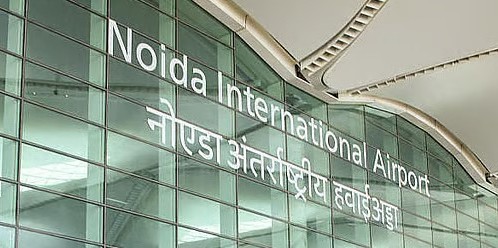
Noida International Airport was envisioned as a game-changing aviation hub for North India—one that would decongest Indira Gandhi International Airport and offer passengers a cheaper, more efficient alternative. However, even before its commercial launch on June 15, 2026, the airport is facing a critical perception challenge: higher airfares than Delhi.
Price Shock Before Take-Off
Early ticket bookings have revealed a surprising trend. Flights from Jewar are, in several cases, more expensive than comparable routes from Delhi IGI, despite Uttar Pradesh offering just 1% tax on Aviation Turbine Fuel (ATF) versus nearly 25% in Delhi.
For instance:
- Lucknow: ₹5,000–₹6,500 (Jewar) vs ₹3,600–₹4,500 (Delhi)
- Mumbai: ~₹7,026 (Jewar) vs ~₹6,999 (Delhi)
- Kolkata: ~₹7,123 (Jewar) vs ~₹5,894 (Delhi)
Instead of emerging as a low-cost alternative, Jewar is currently being perceived as a costlier option—a contradiction that could impact its early adoption.
The Real Culprit: High Airport Charges
The primary reason behind this pricing mismatch lies in the airport’s User Development Fee (UDF) and other aeronautical charges.
- Jewar UDF: ~₹653 per passenger
- Delhi IGI UDF: ~₹129 per passenger
That’s a staggering 400%+ difference.
In addition:
- Aircraft parking charges are nearly double
- Landing fees are over 100% higher in some categories
Airlines, including IndiGo and Air India, have already flagged concerns with the Airports Economic Regulatory Authority of India, warning that these charges could significantly inflate operating costs.
A Classic Greenfield Dilemma
Jewar is a greenfield airport, built from scratch with massive capital investment. Unlike IGI, which has matured over decades with high passenger volumes, Jewar must recover costs early—leading to higher per-passenger charges in its initial phase.
However, this creates a paradox:
High charges → Higher fares → Lower passenger demand → Slower growth
Political Pushback Begins
Recognizing the risk, Jewar MLA Dhirendra Singh has raised concerns over the high User Development Charges (UDC), urging intervention from the aviation ministry and Uttar Pradesh administration.
His argument is straightforward: Without competitive pricing, passenger confidence will suffer—and so will the airport’s long-term viability.
The Competitive Reality
Indira Gandhi International Airport enjoys:
- A massive passenger base
- Dense airline competition
- Hub connectivity
This allows airlines to price aggressively and keep fares lower.
Jewar, on the other hand, is still:
- Building airline networks
- Developing passenger traffic
- Establishing itself as a viable alternative
Until that ecosystem matures, pricing remains its biggest vulnerability.
What Needs to Change
For Noida International Airport to succeed, immediate corrective steps are essential:
1. Rationalise UDF
A reduction in passenger charges is critical to align fares with market expectations.
2. Incentivise Airlines
Lower operational costs can encourage airlines to scale routes and frequency.
3. Focus on Volume Over Margin
Higher passenger throughput—not higher per-passenger charges—will determine long-term success.
4. Build Regional Advantage
Jewar can still attract passengers from Noida, Greater Noida, and Western UP—if pricing is competitive.
The Bottom Line
Jewar Airport was meant to be the affordable gateway for North India. But if flying from Jewar costs more than Delhi, that promise risks unraveling before take-off.
The window for course correction is still open.
Because in aviation, first impressions matter—and right now, Jewar’s pricing strategy may be its biggest turbulence.
Jewar Airport high airfares