
Railway Board Abolished 29,608-Posts – Move Sparks Safety, Vacancy and Employment Concerns, Unions Raise Alarm!
Post abolition planned downsizing exercise to curb regular recruitment and accelerate contractualisation in core public sector says C. Srikumar, General Secretary of AIDEF and Member of National Council JCM
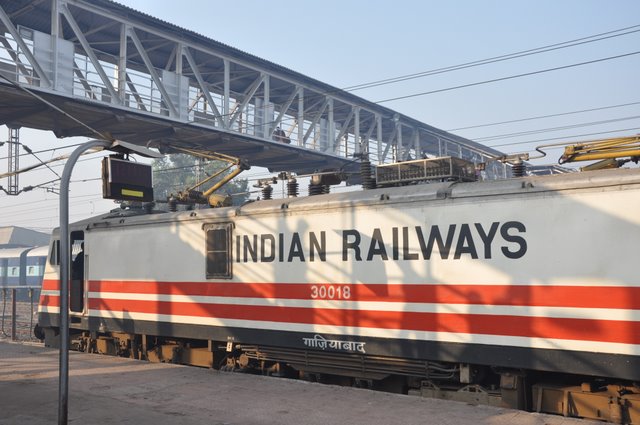
In a major manpower restructuring exercise, the Ministry of Railways has directed all Zonal Railways, Production Units and other establishments to achieve a 2 per cent manpower rationalisation target during 2026-27, translating into the redistribution or surrender of 29,608 sanctioned posts across Indian Railways.
The directive was issued by the Railway Board on 24 April 2026 under the subject “Manpower Rationalization Target for 2026-27”, asking all railway units to implement the reduction through the HRMS portal and achieve quarterly targets proportionately instead of deferring them to the year-end.
As per the Annexure attached to the Railway Board order, the total sanctioned manpower of Indian Railways as on 1 April 2026 stood at 14,80,455, out of which nearly 29,608 posts have now been identified for redistribution or surrender. Major zonal targets include Northern Railway (3,303 posts), Eastern Railway (2,544), Central Railway (2,492), Western Railway (2,339), South Eastern Railway (1,967) and East Central Railway (1,922).
However, the move has triggered sharp reactions from employee representatives and labour organisations, who argue that the decision comes at a time when Indian Railways is already functioning with a significantly lower actual workforce than sanctioned strength.
According to employee-side estimates, against the sanctioned strength of 14.8 lakh, the present working strength is around 11 lakh employees, indicating that the system is already running with a manpower shortage of nearly four lakh personnel in several operational and maintenance categories.
Safety-Sensitive Categories Already Under Pressure
Railway unions maintain that the rationalisation exercise could deepen stress in safety-related departments where vacancies have remained unfilled for years. They point out that new train services, route expansions, freight loading growth and station redevelopment projects are continuously increasing the workload, while corresponding manpower induction has not kept pace.
Particular concern has been raised over categories such as loco pilots, maintenance staff, signalling personnel and technical workers, where employees are reportedly facing extended duty hours and mounting fatigue. Union representatives argue that prolonged duty patterns not only impact employee health but can also have implications for operational safety in one of the world’s largest public transport systems. Non filling of notified vacancies in MES
Labour Bodies See Push Towards Contractualisation
Employee organisations and defence labour federations have interpreted the Railway Board’s order as part of a wider trend in central government establishments aimed at shrinking permanent employment and increasing dependence on outsourced or contractual manpower.
C. Srikumar, General Secretary of AIDEF and Member of National Council JCM, has termed the abolition of sanctioned posts a “planned move” that could reduce opportunities for regular recruitment and gradually strengthen contractual arrangements in core public sector operations. He has argued that instead of surrendering posts, the government should fill long-pending vacancies in Railways and other departments where permanent workforce shortages are already affecting productivity and worker morale.
Non-filling of notified vacancies in the year 2021 in Barrack Store Cadre and Draughtsman Cadre in MES under the Defence Ministry has created anguish among the selected candidates, as many of them are becoming age-barred, said C. Srikumar.
Labour representatives have also linked the issue to broader concerns of declining public employment opportunities for youth, particularly in technical and skilled categories traditionally filled through government recruitment examinations.
Railway Board Yet to Clarify Redistribution Strategy
While the Railway Board circular uses the term “Redistribution + Surrender”, officials have not yet publicly detailed how much of the 29,608 target will involve actual abolition of posts and how much will involve shifting manpower from one unit to another based on workload assessment.
This distinction is likely to become crucial, as employee unions insist that redistribution of surplus administrative posts may be understandable, but surrender of posts in field operations, maintenance and frontline categories could adversely affect efficiency and passenger safety.
Policy Debate Set to Intensify
The order is expected to become a major point of contention between the Railway administration and employee federations in the coming weeks. Trade unions are likely to demand that the Railways first undertake recruitment against existing vacancies before pursuing manpower surrender under annual performance indicators.
For the government, the exercise may be part of an efficiency-driven restructuring model tied to productivity benchmarks. For employees, however, the concern remains that rationalisation without fresh recruitment could translate into heavier workloads, deeper vacancies and gradual contractualisation in a sector that moves more than two crore passengers daily.
The coming months will therefore determine whether the Railway Board’s manpower rationalisation is viewed as an administrative efficiency measure — or as the beginning of a larger workforce downsizing debate inside Indian Railways.