
UAE’s Exit from OPEC May Redraw Global Oil Map: Why India and Its PSU Oil Giants Could Emerge Stronger
Saudi cartel grip weakens amid Gulf conflict; cheaper crude, stronger bargaining power may benefit IOC, BPCL, HPCL and India’s energy security strategy
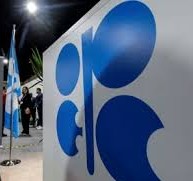
The United Arab Emirates’ sudden exit from OPEC has sent shockwaves through global oil markets and may significantly alter the future of crude pricing, cartel control and energy diplomacy.
While the immediate trigger is the ongoing West Asia conflict and supply disruptions through the Strait of Hormuz, the bigger development is the weakening of Saudi Arabia’s long-standing grip over OPEC’s production discipline.
For India — the world’s third-largest crude importer — this could eventually turn into a major strategic and economic advantage.
For decades, OPEC under Saudi leadership has managed oil supply through coordinated production cuts, helping keep global crude prices elevated. The UAE’s decision to walk away from the cartel raises the possibility that Abu Dhabi may pump oil independently once Gulf shipping routes stabilise.
Industry analysts believe this could set the stage for a Saudi-UAE battle for market share, especially in Asia’s high-demand economies like India, China, Japan and South Korea.
Such competition among Gulf producers could soften crude prices in the medium term — welcome news for an import-dependent country like India, which meets nearly 85 per cent of its oil needs from overseas.
A fall in global crude prices would directly reduce India’s oil import bill, ease inflationary pressure and improve the country’s fiscal and current account position.
Major Relief Likely for PSU Oil Companies
Lower crude prices would be particularly beneficial for India’s state-run oil marketing companies:
- Indian Oil Corporation
- Bharat Petroleum Corporation Limited
- Hindustan Petroleum Corporation Limited
These companies often face margin pressure when international crude rises sharply but domestic retail fuel prices remain unchanged.
If global oil prices cool due to increased UAE production and Gulf competition, PSU refiners would gain through lower procurement costs, improved refining margins and better inventory management.
They would also enjoy greater flexibility in sourcing crude from a more competitive supplier market rather than a tightly controlled OPEC quota system.
India’s Bargaining Power May Increase
The UAE’s exit also strengthens India’s hand diplomatically.
India already has deep strategic energy ties with Abu Dhabi through crude storage partnerships, bilateral trade agreements and investment channels.
A UAE eager to secure long-term buyers outside OPEC discipline may offer more attractive supply contracts to India, including pricing concessions and flexible payment terms.
At the same time, Saudi Arabia may also be forced to compete harder to protect its Asian customer base.
This effectively gives New Delhi a rare opportunity to leverage Gulf producer rivalry to secure cheaper and more stable oil supplies.
Short-Term Volatility Will Continue
However, experts caution that there will be no immediate relief.
As long as the Strait of Hormuz remains vulnerable due to regional conflict, oil prices are likely to stay volatile and elevated.
India may still face temporary pressure on:
- fuel import costs,
- shipping insurance,
- LPG subsidy burden,
- and inflation.
But once Gulf exports normalise, a fractured OPEC and rising UAE production could push crude lower over the longer term.
Strategic Opening for India
The UAE’s departure from OPEC marks the first serious challenge to Saudi Arabia’s dominance of the global oil cartel in decades.
For India, this is not just an international energy story — it could become a major opening for lower crude prices, stronger energy security and improved profitability for PSU oil giants.
If Gulf producers begin competing aggressively for Asian buyers, India may emerge as one of the biggest beneficiaries.