
India Signs Historic First Coal Mine Agreements with Underground Coal Gasification Provisions
Reliance Industries and Axis Energy secure four coal blocks as the Coal Ministry embeds Underground Coal Gasification provisions in CMDPAs for the first time, unlocking deep reserve potential
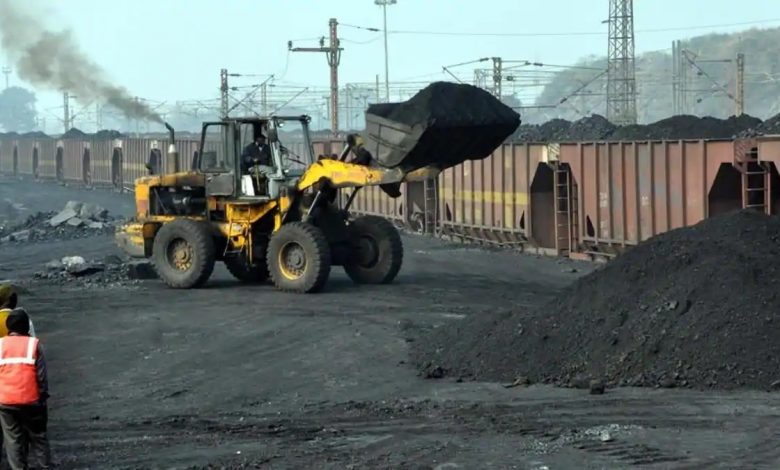
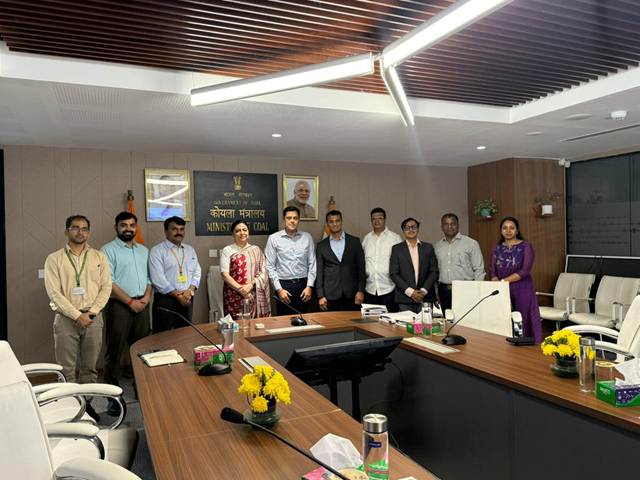
In a major boost to India’s energy security and technological advancement in the coal sector, the Ministry of Coal on Tuesday signed Coal Mine/Block Production and Development Agreements (CMDPAs) with successful bidders for four commercial coal mines under the 14th tranche of auctions—marking the first-ever inclusion of Underground Coal Gasification (UCG) provisions in such agreements. The Ministry had introduced UCG provisions for the first time in the 14th round auction framework, identifying 21 coal blocks with gasification potential.
The agreements were signed with Reliance Industries Limited, which secured the Recherla and Chintalpudi Sector A1 coal mines, and Axis Energy Ventures India Private Limited, which bagged the Dip Extension of Belpahar and Tangardihi East coal mines. These blocks are located in Andhra Pradesh and Odisha and include both fully explored and partially explored mines.
This development is being seen as a landmark shift in India’s coal utilisation strategy. Traditionally, coal mining focused on physical extraction of fuel, but UCG opens the door to harnessing deep-seated and difficult-to-mine coal reserves by converting coal into synthetic gas directly underground.
Underground Coal Gasification is an advanced technology that converts coal into syngas within the seam itself by injecting air or oxygen and steam, without the need for conventional excavation. This allows energy extraction from coal reserves that are otherwise considered uneconomical or inaccessible. The Ministry of Coal has noted that nearly 40 percent of India’s coal reserves lie in such deep underground formations, making UCG a critical future technology for the country.
The syngas generated through UCG can be used as feedstock for the production of urea, ammonia, methanol, dimethyl ether, synthetic fuels and industrial chemicals, thereby helping India reduce dependence on imported natural gas, crude-linked products and fertiliser raw materials.
With these four CMDPAs, the total number of agreements signed under commercial coal mining auctions has now reached 138 mines. Together, these mines account for a peak rated capacity of 331.544 million tonnes per annum and are expected to generate annual revenues of around ₹42,980 crore, attract investments of ₹48,231 crore and create employment for over 4.34 lakh people.
The signing of India’s first UCG-enabled coal mine agreements underlines the Centre’s push toward deeper domestic resource monetisation, cleaner coal technologies and long-term energy self-reliance. It also signals that the country is now moving beyond traditional coal extraction toward value-added coal-to-gas and coal-to-chemicals pathways.