
Global Oil War Hits Aviation Hard: Air India Cuts 100 Flights Daily, US Spirit Airlines Shuts Down, 17,000 Jobs Lost
Oil war is no longer just pushing up petrol prices — it is now hitting passenger mobility, tourism, cargo logistics and aviation jobs across continents
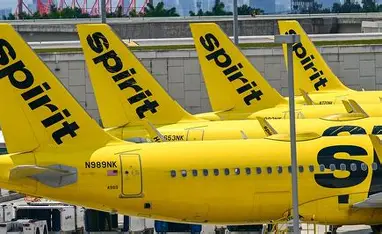
The global oil crisis triggered by the escalating West Asia conflict has begun to paralyse the aviation sector. As crude prices surge and Aviation Turbine Fuel (ATF) turns costlier by the day, airlines are scrambling to cut losses through flight cancellations, fare hikes and network reductions. India’s Air India has decided to slash nearly 100 domestic and international flights daily, while America’s Spirit Airlines has shut down operations after 34 years, leaving around 17,000 employees jobless.
The twin developments signal a deeper global disruption: the oil war is no longer just pushing up petrol prices — it is now hitting passenger mobility, tourism, cargo logistics and aviation jobs across continents.
Air India Trims Network as Jet Fuel Costs Spiral
Hit by a sharp rise in ATF prices and mounting long-haul operating expenses, Air India is reducing close to 10 percent of its daily schedule. The airline, which operates over 1,100 flights every day, is expected to cut frequencies on major routes connecting India with Europe, North America, Australia and Singapore.
Domestic sectors are also under review as the airline looks to protect margins amid an unprecedented fuel cost surge.
ATF Nears Record High, Indian Airlines Under Severe Pressure
Aviation Turbine Fuel prices in India have jumped nearly 25 percent in recent weeks, touching around ₹1.04 lakh per kilolitre. With fuel accounting for up to 40 percent of airline operating cost, the increase has sharply weakened route profitability.
Industry estimates suggest Indian carriers are already sitting on cumulative financial stress of nearly ₹20,000 crore. Airline bodies have warned that prolonged fuel inflation could trigger wider operational disruption if relief measures are not announced soon.
Spirit Airlines Becomes First Major Global Casualty
The oil shock has already claimed its first major victim in the US aviation market. Spirit Airlines, known for its ultra-low-cost model, has reportedly shut down operations after failing to absorb the sustained rise in fuel expenditure.
The closure ends the airline’s 34-year run and puts nearly 17,000 jobs at risk, underlining how vulnerable low-margin carriers have become in the current crude price environment.
Hormuz Tension Driving Global Fuel Panic
At the heart of the crisis is the Strait of Hormuz, the world’s most critical crude transit chokepoint. Continued geopolitical tension in the region has kept oil markets volatile and aviation fuel procurement expensive.
Airlines are facing a double blow — higher direct fuel prices and longer flying routes due to regional airspace complications. The result is simple: fewer flights, higher fares and shrinking profitability.
Passengers Should Brace for Costlier Tickets
With airlines cutting capacity globally, passengers are likely to face:
- higher airfares,
- reduced seat availability,
- longer waiting lists, and
- increased disruption on international sectors.
Cargo rates may also rise as reduced passenger flights shrink belly freight space.
More Airline Pain Likely if Oil Crisis Deepens
Industry experts warn that if West Asia tensions continue, more carriers may be forced to suspend routes, defer expansion, lay off staff or seek financial restructuring.
Air India’s flight cuts and Spirit Airlines’ shutdown are early signs that the global aviation industry is entering a fresh turbulence zone — this time powered not by pandemic, but by oil.