
Big Relief for MSMEs as Cabinet Clears ECLGS 5.0 During West Asia Crisis
The scheme’s standout feature—100% government guarantee and zero guarantee fee—is expected to significantly improve credit flow from banks and financial institutions
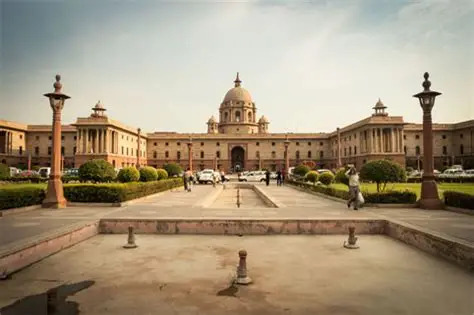
In a swift policy response under Narendra Modi, the Cabinet’s approval of ECLGS 5.0 is more than just a credit scheme—it is a sector-specific stabiliser aimed at insulating India’s MSME ecosystem from the cascading effects of the West Asia crisis.
With oil price volatility, disrupted trade routes, and rising input costs already straining businesses, the ₹2.55 lakh crore credit window comes as a timely liquidity bridge. But its real impact lies in how different sectors will leverage this support.
Manufacturing MSMEs: Cushion Against Cost Shock
Manufacturers—especially in auto components, chemicals, and engineering goods—are among the hardest hit due to:
- Rising fuel and logistics costs
- Volatile raw material prices
ECLGS 5.0 Impact:
Additional working capital will allow firms to:
- Absorb cost spikes without halting production
- Build buffer inventory
- Maintain supply commitments
Outcome: Production continuity and cost stability
Logistics & Transport: Fuel Price Shock Absorber
Transporters and logistics MSMEs face immediate pressure from fluctuating crude prices linked to the Gulf region.
ECLGS 5.0 Impact:
- Helps manage higher diesel costs
- Ensures fleet operations continue without disruption
- Supports working capital for daily operations
Outcome: Supply chain resilience
Export-Oriented MSMEs: Managing Global Uncertainty
Sectors like textiles, leather, and handicrafts depend heavily on export markets, many of which are sensitive to geopolitical instability.
ECLGS 5.0 Impact:
- Bridges payment delays from international buyers
- Supports order execution despite demand fluctuations
- Helps retain competitiveness in global markets
Outcome: Export continuity and forex stability
Hospitality & Tourism: Indirect Stabilisation
Travel disruptions and reduced international traffic—especially from West Asia—can impact tourism-linked MSMEs.
ECLGS 5.0 Impact:
- Provides liquidity to sustain operations during demand dips
- Enables businesses to retain staff and manage fixed costs
Outcome: Business survival during demand slowdown
Airline Ecosystem: Multiplier Effect on MSMEs
With dedicated support for airlines, the scheme indirectly benefits:
- Cargo operators
- Airport service providers
- Travel agencies
Outcome: Stabilised aviation ecosystem supporting multiple MSME linkages
Domestic Trade & Services: Handling Cash Flow Stress
Retailers, wholesalers, and service providers often face delayed receivables during crises.
ECLGS 5.0 Impact:
- Ensures liquidity to meet day-to-day expenses
- Prevents business disruptions due to payment cycles
Outcome: Smoother business operations
The Bigger Picture: Survival, Not Expansion
Unlike growth-focused schemes, ECLGS 5.0 is designed as a shock absorber:
- 100% guarantee removes lending risk
- Zero guarantee fee reduces cost burden
- Moratorium provides breathing space
The goal is clear: keep MSMEs running, protect jobs, and sustain economic momentum
Conclusion
As global uncertainties ripple through energy markets and trade flows, ECLGS 5.0 positions itself as a sector-sensitive financial shield. By ensuring timely credit access, it not only stabilises MSMEs but also safeguards the broader economic ecosystem dependent on them.