

Jharkhand Environmental Clearances Under Scrutiny — Allegations of Suppressed Facts and Misleading Filings Surface
If even part of these allegations is proven, it could have far-reaching implications for environmental governance and institutional trust in India
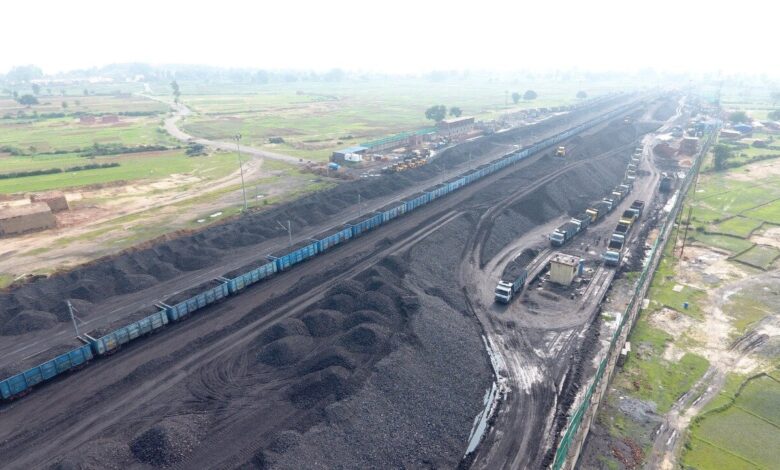
A detailed complaint has brought India’s environmental clearance process under intense scrutiny, raising serious questions about transparency, regulatory oversight, and institutional accountability.
The complainant, Whistle Blower Shani Kant alias Mantu Soni has alleged that key approvals related to a major mining project in Pakri Barwadih coal mining area in Hazaribagh district, Jharkhand, were granted despite critical environmental concerns, with claims of suppression of facts, misleading affidavits, and procedural lapses within the approval process.
“The absence of clear accountability in the alleged lapses raises troubling questions about whether regulatory processes were influenced to favour project execution over environmental safeguards.”
Beyond Clearances: Questions Over the Integrity of the Process
According to the complaint:
- The project area falls within an elephant migration corridor
- Mandatory safeguards linked to wildlife movement and ecological protection were allegedly not properly enforced
- Critical compliance conditions appear to have been treated as procedural formalities rather than binding safeguards
This raises a fundamental concern: Are environmental approvals being driven by due process—or by predetermined outcomes?
Proceedings Before NGT: Truth or Selective Disclosure?
The matter is currently under consideration before the National Green Tribunal (NGT). However, the complaint claims that:
- Authorities withheld material facts before the tribunal
- Misleading affidavits were submitted
- Official records may not align with what was presented in legal proceedings
Such allegations, if substantiated, could amount to contempt of court and abuse of legal process.
Site Monitoring Under Cloud: Fabrication Alleged
One of the most serious charges relates to a recent site monitoring report, which is alleged to have:
- Misrepresented on-ground realities
- Omitted critical environmental violations
- Reflected possible suppression of evidence and collusion
The key question: Was field reality altered to fit compliance narratives?
Ecological Impact: Irreversible Damage?
The complaint highlights:
- Significant forest degradation and land disturbance over recent years
- Disruption of wildlife movement, increasing the risk of human-animal conflict
- Claims of irreversible ecological damage, raising long-term sustainability concerns
This brings into focus a deeper conflict:
Development priorities versus ecological security.
‘Paper Compliance’ vs Ground Reality
A recurring theme in the complaint is what it terms: “Desk-based compliance”
This implies:
- Heavy reliance on documentation over field verification
- Compliance being demonstrated on paper, rather than implemented in reality
A critical systemic question emerges: Is environmental governance being managed through files instead of field-level accountability?
Potential Legal Fallout
The allegations outlined could attract serious legal consequences, including:
- Contempt of Court
- Perjury (false affidavits)
- Abuse of power
- Criminal conspiracy
- Violation of the Public Trust Doctrine
Demands Raised in the Complaint
Mantu Soni has sought:
- Independent investigation into officials involved
- Cancellation or review of clearances granted
- Fresh, transparent site inspections
- Accountability for alleged procedural violations
Bottom Line
If even part of these allegations is proven, it could have far-reaching implications for environmental governance and institutional trust in India.
The spotlight is now on regulators and adjudicating bodies— Will accountability follow, or will the system absorb yet another controversy?