

E20 Fuel: Bane or Boom? India’s Green Fuel Revolution Faces Tough Questions
Is E20 petrol India's answer to energy security or an expensive experiment for millions of motorists?
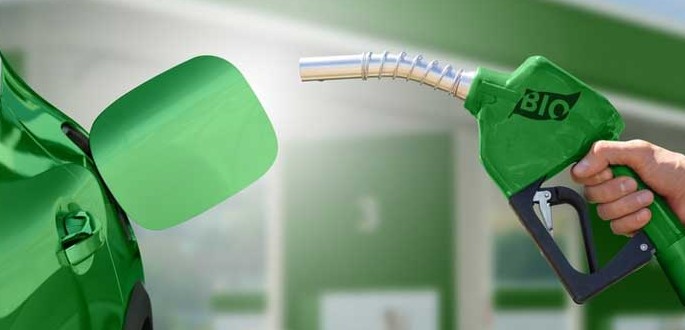
The Government has championed E20 petrol as a win-win policy—cutting crude oil imports, reducing carbon emissions and boosting farmers’ incomes. But consumers are asking a different question:
If vehicles deliver fewer kilometres per litre, who bears the cost of this green transition?
The Mileage Debate
The controversy intensified after Bharat Petroleum Corporation Limited (BPCL), during proceedings linked to ethanol policy, indicated that fuel economy could decline because ethanol contains less energy than petrol. Reports citing a possible reduction of up to 20% in mileage triggered widespread concern among vehicle owners.
For the average commuter, lower mileage means one thing—higher fuel bills.
If motorists have to buy more fuel to travel the same distance, the financial burden shifts directly to consumers.
The Supreme Court Twist
The issue also reached the Supreme Court.
Media reports initially suggested that the Attorney General had indicated that the long-term impact of E20 would become clearer over time, prompting questions over whether the full effects of widespread ethanol blending were yet to be established.
The Government later issued an official clarification, stating that the Attorney General had not described the E20 programme as an “experiment” before the Court and reaffirmed that the policy is backed by scientific evaluation.
Even so, the controversy has intensified public debate.
Ants in the Fuel Cap?
As if the mileage controversy wasn’t enough, viral videos showing ants swarming around vehicle fuel caps added another twist.
Social media quickly blamed ethanol-blended petrol.
BPCL dismissed the claims, stating that fuel-grade ethanol contains no sugar, is highly purified and includes denaturants that are not attractive to insects. The company said there is no scientific evidence linking E20 petrol to ant infestation.
Yet the videos continue to circulate, fuelling speculation and public anxiety.
The Real Concern
The ant controversy may fade.
The bigger issue may not.
Millions of vehicles currently on Indian roads were never designed for E20 fuel.
Consumers continue to ask:
- Will mileage fall?
- Will engine life be affected?
- Will maintenance costs rise?
- Who pays if problems emerge years later?
These questions remain central to public confidence in the programme.
A Strong Policy—But Does It Need Stronger Proof?
There is no denying the strategic benefits of ethanol blending.
It reduces oil imports, strengthens energy security, cuts emissions and creates a new income stream for farmers.
But national gains alone may not satisfy motorists if they experience higher running costs.
A policy that asks citizens to make sacrifices must also provide complete transparency.
The Verdict
E20 petrol is neither an outright bane nor an unquestionable boom.
It is a bold national policy that promises long-term strategic gains but raises legitimate short-term concerns for consumers.
The Government has defended the programme. BPCL has rejected claims linking E20 to insect attraction. Automobile manufacturers are rolling out E20-compatible vehicles.
Editor's Take: Now, what consumers need is not reassurance—but independent, long-term scientific evidence on mileage, engine durability and operating costs. Only then will India's ethanol revolution earn what every successful public policy ultimately depends on—public trust.