
BCCL Hosts Mega Legal Empowerment Camp in Dhanbad, Reinforces Commitment to Access to Justice and Social Welfare
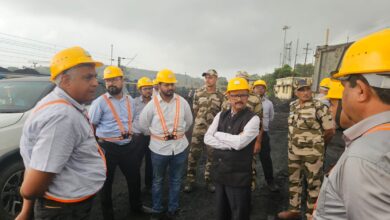
CMD Manoj Kumar Agarwal appreciated the efforts of the District Legal Services Authority in expanding legal literacy and providing free legal aid
Bharat Coking Coal Limited (BCCL), in collaboration with the District Legal Services Authority (DLSA), Dhanbad, organized a Mega Legal Empowerment Camp at the Community Hall, Koyla Nagar, under the theme “Your Rights, Our Efforts.” The initiative aimed to spread awareness about legal rights, free legal aid, alternative dispute resolution mechanisms, government welfare schemes, and social security programmes among citizens.
The event witnessed the presence of BCCL Chairman-cum-Managing Director Manoj Kumar Agarwal, Principal District & Sessions Judge-cum-Chairman, DLSA, Nikesh Kumar Sinha, Superintendent of Police (City) Ritwik Srivastava, Superintendent of Police (Rural) S. Mohammad Yakub, Bar Association President Radheshyam Goswami, and Secretary Jitendra Kumar, along with senior officials from BCCL, the judiciary, district administration, police, advocates, paralegal volunteers, self-help groups, and a large number of beneficiaries.
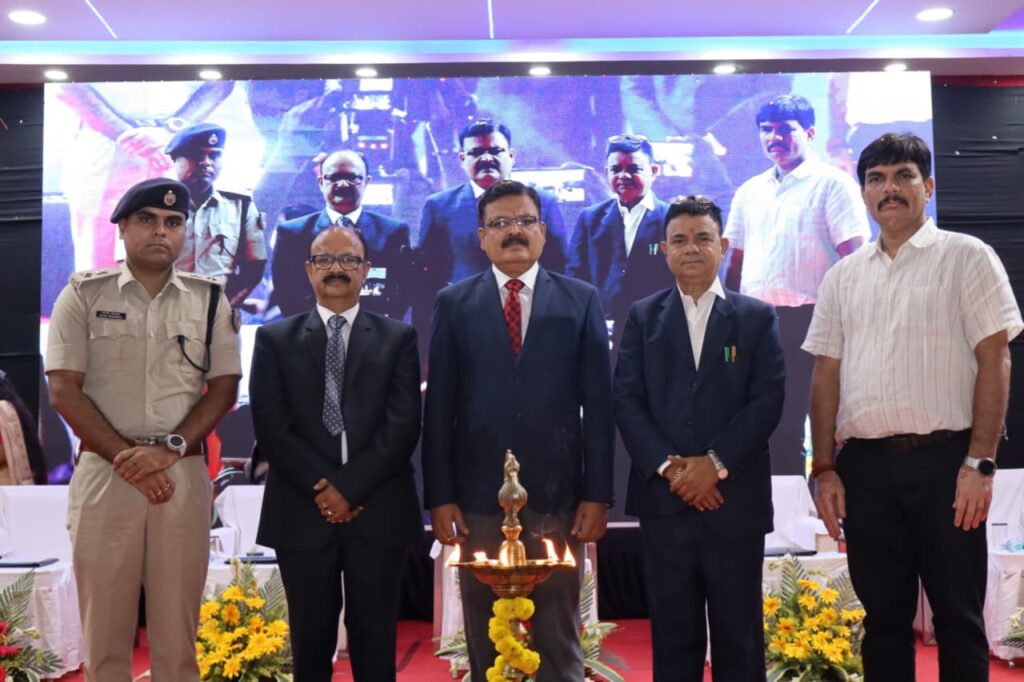
Senior BCCL officials present included Head of CSR Surendra Bhushan, Head of Law Dr. Kumar Sharat Sinha, Head of Administration Manish Mishra, and Head of Welfare Kiran Rani Nayak.
Cultural Performances and Community Participation
The programme featured vibrant cultural performances by students from Rajkamal Saraswati Vidya Mandir, Kasturba Gandhi Balika Vidyalaya, Kids Club Group, and Service and Samarpan Sanstha. Law students from Dhanbad Law College and the Asharfi Institute of Legal Education also participated enthusiastically.
The dignitaries received a traditional welcome from the Ghosh team of Rajkamal Saraswati Vidya Mandir, Ashok Nagar, before being escorted to the venue.
BCCL CMD Highlights Social Responsibility
Addressing the gathering, CMD Manoj Kumar Agarwal reaffirmed BCCL’s commitment to social development alongside its core responsibility of coal production.
He emphasized that legal awareness is a fundamental right of every citizen and stressed the importance of ensuring timely access to justice and government welfare benefits for building an inclusive and equitable society.
The CMD appreciated the efforts of the District Legal Services Authority in expanding legal literacy and providing free legal aid. He said BCCL would continue working closely with the district administration and other institutions to support initiatives focused on public welfare and community development.
₹300 Crore Settled Through National Lok Adalats
A key highlight of the event was BCCL’s success in resolving employee claims through the National Lok Adalat mechanism before they entered the court system.
The company informed that Lok Adalats conducted in December 2025 and March and May 2026 enabled the settlement of employee claims worth over ₹300 crore, benefiting more than 9,700 retired and serving employees.
The settlements covered gratuity, medical reimbursement, settlement allowances, leave encashment, and life cover scheme claims, ensuring speedy financial relief while reducing litigation. The initiative has emerged as a notable example of the effectiveness of alternative dispute resolution in the public sector.
Welfare Benefits Distributed
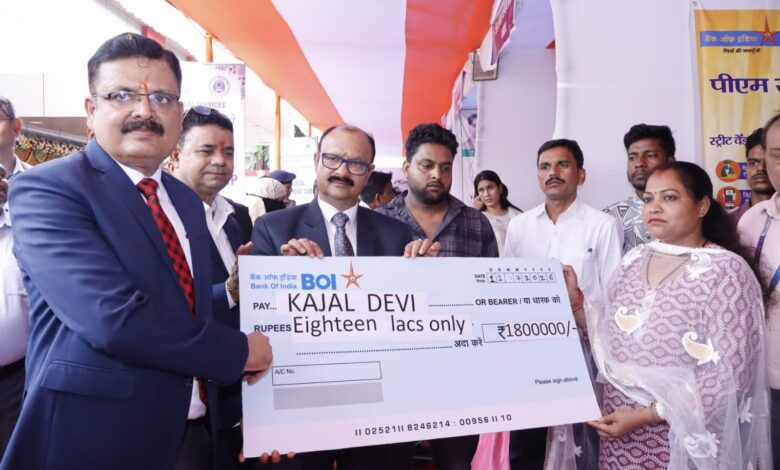
During the concluding session, dignitaries distributed financial assistance, compensation, acceptance letters, certificates, and benefits under various government welfare schemes to eligible beneficiaries.
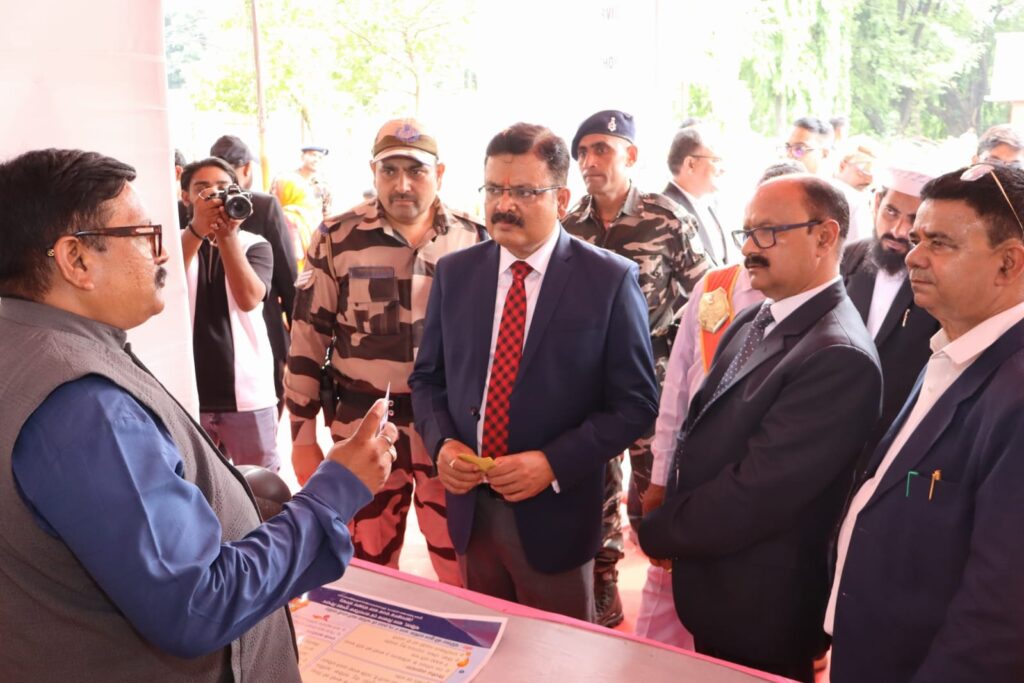
They also visited exhibition stalls set up by BCCL’s CSR, Welfare, and Law Departments showcasing initiatives in education, healthcare, skill development, and community welfare. As part of the outreach programme, bicycles were distributed to students while wheelchairs were provided to persons with disabilities.
The Mega Legal Empowerment Camp underscored BCCL’s commitment to strengthening legal awareness, expanding access to justice, and ensuring that disadvantaged sections of society benefit from government welfare programmes through collaborative institutional efforts.