
DTC Plans Tie-Up with Indian Oil to Set Up Petrol Pumps at 37 Bus Depots in Delhi
Proposed COCO model to generate additional revenue for Delhi Transport Corporation; IOCL to help develop fuel station project
Read in your preferred Language :
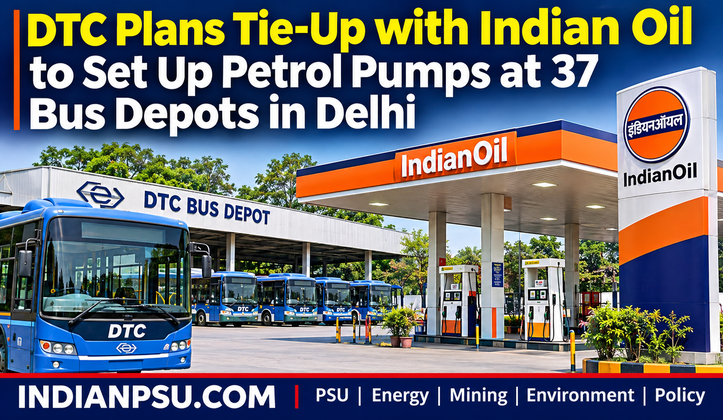
The Delhi Transport Corporation (DTC) is planning to join hands with Indian Oil Corporation Limited (IOCL) to establish petrol pumps at suitable locations within its bus depots across the national capital. The initiative is aimed at generating additional revenue from DTC’s existing land assets and reducing its dependence on passenger fares.
The proposal envisages setting up fuel stations under the Company-Owned, Company-Operated (COCO) model, under which the participating oil marketing company will own and operate the outlets while DTC will receive a share of the revenue.
The proposal was discussed at a recent meeting, where it was decided to work out the project details in consultation with Indian Oil and explore similar revenue-generation opportunities with other companies.
37 DTC Bus Depots Under Consideration
DTC currently operates 37 bus depots across Delhi. The corporation is exploring the possibility of identifying suitable vacant spaces within these depots for setting up fuel retail outlets.
The availability of land and its suitability for commercial fuel retail operations will be key factors in determining the locations.
The proposed arrangement is expected to allow DTC to monetise its existing infrastructure without directly getting involved in the day-to-day operations of petrol pumps.
The corporation is also exploring the possibility of extending similar partnerships to other oil marketing PSUs, including Hindustan Petroleum Corporation Limited (HPCL) and Bharat Petroleum Corporation Limited (BPCL).
Indian Oil Partnership to Strengthen Non-Fare Revenue
The proposed collaboration with IOCL is part of DTC’s broader strategy to diversify its revenue streams. The corporation has been exploring several commercial opportunities beyond passenger transportation to improve its financial position.
These include commercial advertisements on buses, full-body bus advertisements and redevelopment of depot land under the Public-Private Partnership (PPP) model.
The plan to introduce full-body advertisements on DTC buses, on the lines of the Delhi Metro’s advertising model, is yet to take off. The appointment of an advertising agency is still awaited.
DTC Carries Around 25 Lakh Passengers Daily
DTC has a fleet of approximately 7,000 buses and caters to around 25 lakh passengers every day.
The Delhi government’s Green Mobility Plan envisages expanding the city’s bus fleet to 14,000 by 2028-29, with electric buses expected to constitute the majority of the expanded fleet.
Alongside fleet expansion, DTC is working on route rationalisation, improved bus utilisation and special-hire services to enhance operational efficiency.
The proposed partnership with Indian Oil could provide another avenue for generating recurring income from the corporation’s existing assets.
A New Commercial Opportunity for Indian Oil
For Indian Oil, the proposed partnership could open up additional opportunities to expand its fuel retail network through collaboration with a major public transport corporation.
The initiative also reflects the growing importance of commercial utilisation of public-sector infrastructure and asset monetisation as a means of strengthening the financial sustainability of government-owned organisations.
However, the project is still at the planning stage. The final number of fuel stations, locations, revenue-sharing arrangements and implementation schedule are yet to be announced.
If implemented successfully, the initiative could create a new revenue stream for DTC while bringing another public-sector infrastructure partnership involving Indian Oil into Delhi’s urban mobility ecosystem.