
Commercial Coal Auctions Gain Momentum: Strong Industry Participation Signals Confidence in India’s Mining Reforms
15th Tranche Response Reinforces Investor Interest as Coal Sector Moves Towards Greater Competition and Energy Security
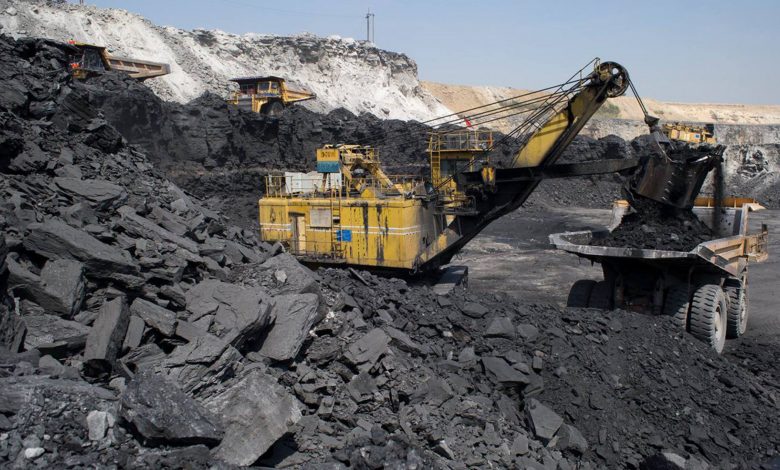
The opening of bids for the 15th tranche of commercial coal block auctions, along with the second attempt of the 13th and 14th tranches, marks another important milestone in India’s journey towards creating a competitive, transparent, and self-reliant coal sector. While the numbers may appear modest at first glance—with bids received for 8 out of 23 blocks—the broader trend points to sustained investor confidence in the commercial coal mining regime introduced by the Government of India.
The latest auction attracted 21 bids from 16 companies, including four first-time participants, indicating that India’s mining reforms continue to attract new investors despite evolving market dynamics. The entry of fresh players is particularly significant because it expands the competitive landscape beyond traditional coal producers and demonstrates increasing confidence in the policy and regulatory framework.
A Reform That Is Beginning to Mature
When India launched commercial coal mining in 2020, the objective was ambitious: end the monopoly in coal mining, encourage private investment, increase domestic production, reduce coal imports, and ultimately strengthen the country’s energy security.
Six years later, the policy appears to be entering a more mature phase.
Instead of focusing solely on the number of blocks auctioned, attention is gradually shifting towards the quality of bidders, the commercial viability of assets, and the speed with which allocated mines are brought into production. This evolution is typical of any resource auction programme, where early enthusiasm is followed by a period of rational investment decisions based on market conditions.
Market Realities Are Shaping Investor Choices
The fact that bids were received for only eight of the 23 offered blocks should not necessarily be interpreted as weak demand. Rather, it reflects a more discerning investment environment.
Mining companies today evaluate several factors before committing capital, including:
- Geological certainty and reserve quality
- Land acquisition status
- Forest and environmental clearances
- Infrastructure connectivity
- Transportation logistics
- Capital expenditure requirements
- Future coal demand
- Global commodity price trends
Investors are increasingly prioritising commercially attractive assets over aggressive expansion, indicating a healthy maturation of the sector.
Energy Security Remains the Primary Driver
India’s electricity demand continues to grow at one of the fastest rates globally. Despite rapid expansion in renewable energy, coal continues to account for nearly three-fourths of the country’s electricity generation.
With power demand expected to rise steadily over the next decade, ensuring adequate domestic coal production remains a strategic necessity.
Commercial mining complements the production of Coal India Limited by bringing additional investments, modern mining technologies, operational efficiencies, and greater production capacity into the sector.
The government’s objective is not merely increasing production but creating multiple sources of domestic supply that reduce import dependence and improve resilience against global supply disruptions.
New Players Bring Fresh Capital and Innovation
One of the most encouraging aspects of the latest auction round is the participation of four first-time bidders.
New entrants often introduce:
- Modern mining technologies
- Digital mine management systems
- Automation and artificial intelligence
- Better environmental management practices
- Innovative financing models
- Higher operational efficiency
As competition increases, productivity improvements could eventually benefit the entire coal ecosystem.
Challenges Still Need Attention
While policy reforms have made significant progress, several structural challenges remain.
The biggest hurdle continues to be the time required for successful bidders to commence production.
Delays in land acquisition, environmental and forest clearances, rehabilitation and resettlement, rail connectivity, and local infrastructure can postpone mine development by several years.
For commercial mining to achieve its full potential, faster project execution will be as important as successful auctions.
Another challenge is financing. As global financial institutions increasingly shift towards sustainable investments, coal projects face tighter lending conditions. Domestic financing mechanisms and policy certainty will therefore play an increasingly important role.
Coal and Clean Energy Can Coexist
India’s long-term energy transition is not a choice between coal and renewable energy—it is about managing both simultaneously.
Renewable energy capacity is expanding rapidly, but coal continues to provide dependable baseload power essential for grid stability. Until large-scale energy storage becomes economically viable, coal will remain central to India’s energy mix.
The government’s strategy increasingly focuses on producing coal more efficiently and responsibly while simultaneously accelerating renewable energy deployment.
The Road Ahead
The next phase of India’s commercial coal mining programme will likely focus on:
- Faster operationalisation of auctioned mines
- Improved ease of doing business
- Digital monitoring of mine development
- Greater private investment
- Enhanced logistics infrastructure
- Sustainable mining practices
- Higher domestic coal production to reduce imports
As technically qualified bidders move towards electronic auctions through the MSTC platform, industry stakeholders will closely watch the competitive intensity and eventual revenue outcomes.
The sustained participation seen in successive auction rounds suggests that commercial coal mining has moved beyond the experimental stage and is steadily becoming an integral pillar of India’s mining policy.
Conclusion
The 15th tranche of commercial coal block auctions demonstrates that India’s coal sector reforms continue to command industry confidence. Although investors are becoming more selective, the participation of new companies and continued bidding activity indicate that the commercial mining framework has gained credibility.
Going forward, the true measure of success will not simply be the number of blocks auctioned but how quickly these mines begin production and contribute to India’s energy security, industrial growth, and the vision of an Atmanirbhar Bharat. As reforms deepen and execution improves, commercial coal mining is poised to become one of the defining pillars of India’s energy strategy in the coming decade.