
E20 Controversy Brews in the Country as Consumer Court Orders Maruti Suzuki to Replace Vehicle or Refund Customer
Landmark Raipur Commission ruling raises fresh questions over E20 fuel compatibility amid India's aggressive ethanol blending programme
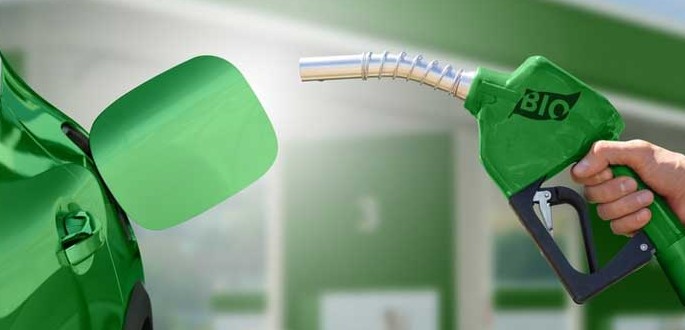
The controversy surrounding E20 petrol has intensified across the country after a consumer court in Chhattisgarh delivered a landmark verdict directing Maruti Suzuki India Ltd. and its authorised dealer to either replace a customer’s vehicle with an E20-compatible model or refund the full purchase price along with compensation. The ruling comes at a time when the Centre continues to push its ambitious ethanol blending programme as part of India’s clean energy and energy security strategy.
The District Consumer Disputes Redressal Commission (Additional Bench), Raipur, held that selling a vehicle that was not compatible with E20 fuel, while failing to adequately inform the buyer about its fuel compatibility, amounted to deficiency in service and unfair trade practice. The Commission’s order is being viewed as one of the first judicial decisions in India directly addressing a consumer dispute linked to E20 petrol.
The dispute arose after the owner of a Maruti Suzuki Grand Vitara Strong Hybrid alleged that his vehicle repeatedly developed engine-related problems after using E20 petrol. While the manufacturer denied that the ethanol-blended fuel was responsible for the malfunction, the Commission observed that consumers have little choice where E20 petrol has become widely available and ruled in favour of the vehicle owner.
Under its order, the Commission directed Maruti Suzuki and the dealership to provide a new E20-compatible vehicle of the same model within the prescribed period. If the replacement is not made, the company has been asked to refund the vehicle’s purchase price along with compensation for mental harassment and litigation expenses.
The judgment comes amid an increasingly heated national debate over the rollout of E20 fuel. While the Government has maintained that higher ethanol blending reduces crude oil imports, cuts carbon emissions and benefits farmers, some motorists have raised concerns over fuel efficiency and the compatibility of older vehicles with E20 petrol.
The automobile industry has consistently maintained that vehicles designed and certified for E20 fuel can safely operate on the blend. Union Road Transport and Highways Minister Nitin Gadkari has also rejected claims that E20 petrol causes engine damage, while acknowledging that ethanol-blended fuel may result in a marginal reduction in mileage.
Legal experts believe the Raipur Commission’s ruling is based on the specific facts and evidence presented in the case and does not amount to a blanket finding against E20 petrol. Nevertheless, the verdict is expected to influence future consumer litigation and may prompt automobile manufacturers to provide clearer disclosures regarding fuel compatibility and warranty conditions as India accelerates its transition towards cleaner transport fuels.