

Illegal Coal Mining Flourishes in Hazaribagh-Ramgarh; District Administration Under Fire for Inaction
Illegal mining operations and coal trafficking continue unabated across multiple police station areas; four persons have reportedly died in illegal mines
Read in your preferred Language :
BY AJAY NIRALA, HAZARIBAGH
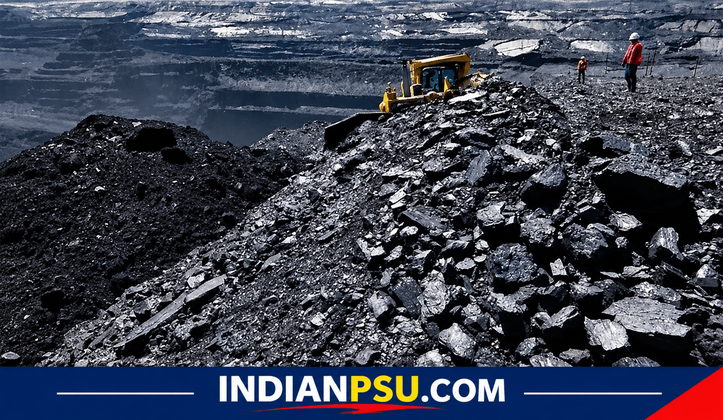
Illegal coal mining and trading have assumed alarming proportions in Jharkhand’s Hazaribagh and Ramgarh districts, with operations continuing openly across several coal-producing areas despite repeated incidents of fatalities and enforcement action. Following Dhanbad, the Hazaribagh-Ramgarh belt is fast emerging as another major hub of illegal coal mining and trafficking in the state.
The alleged involvement of local criminal elements and extortion networks has further complicated the situation, with illegal coal operators reportedly generating substantial money through unauthorised mining, transportation and supply to industrial units.
According to sources familiar with the developments, illegal coal mining and transportation are continuing on a large scale in Barkagaon, Urimari, Giddi, Charhi and Churchu in Hazaribagh district, as well as Kuju, Ghato, Mandu and Rajrappa in Ramgarh district.
Four Workers Die in Illegal Mining Operations
The scale of the problem is evident from reports of fatalities in illegal mines. Four workers have reportedly lost their lives in illegal mining operations at Indira and Ruddhi under Barkagaon police station and Lurunga in the Urimari area.
Despite these deaths, illegal mining activities are allegedly continuing at several locations, raising serious questions about the effectiveness of local enforcement and the safety of workers employed in these unauthorised operations.
Giddi’s Khapiya Emerges as a Major Illegal Coal Hub
Khapiya, under Giddi police station, has reportedly emerged as a prominent centre for illegal coal operations. Coal extracted through unauthorised mining, along with coal allegedly stolen from Central Coalfields Limited (CCL) mines, is being accumulated at the location.
What was earlier reportedly transported to sponge iron factories under the cover of darkness is now allegedly being carried out in broad daylight. JCB machines are being used to load coal onto trucks, which then transport it to industrial units.
Sources claim that a sponge iron factory located in Hosir, Giddi, receives more than 50 truckloads of illegally sourced coal every day. The allegation, if established, points towards a well-organised supply chain involving illegal extraction, stockpiling, transportation and industrial consumption.
Barkagaon and Urimari Witness Widespread Illegal Mining
Barkagaon is another major area where illegal coal mining is reportedly flourishing.
Sources identify three illegal coal mines operating in Indira village. Large-scale unauthorised mining has also been reported from Rautpara, Gondalpura, Ambajharna, Badam, Ruddhi, Sehra and Chapri.
Similarly, three illegal coal mines are reportedly operating in Lurunga under Urimari police station. Coal extracted from these locations is allegedly being transported to sponge iron factories situated along the Hazaribagh-Ramgarh border and, in some cases, to markets in Bihar and Uttar Pradesh.
The widespread nature of these activities suggests that illegal coal operators have developed transportation and distribution networks extending well beyond the immediate mining areas.
Charhi and Churuchu Also Under the Scanner
Charhi police station area, particularly Chanaro and Basadih, has reportedly become another significant centre of illegal coal trading.
The alleged illegal supply chain is said to involve coal stolen from abandoned CCL mines in the Hazaribagh Area and coal stocks at the Charhi railway siding.
In another reported route, coal extracted illegally from Mandu and Ghato in Ramgarh district is transported by tractors to Kargi-Bodra under Churchu police station in Hazaribagh district. From there, the coal is allegedly supplied to sponge iron factories in Ramgarh.
Sponge Iron Factories Under the Scanner
Sponge iron factories in Hazaribagh and Ramgarh have reportedly emerged as major buyers of illegally sourced coal.
The alleged movement of dozens of truckloads of coal, sometimes in broad daylight, raises questions about the procurement practices of industrial consumers and the mechanisms used to verify the origin and legality of coal supplies.
If these allegations are substantiated, the issue would extend beyond illegal mining and transportation to the larger question of industrial demand sustaining an organised coal trafficking network.
CISF Action: Hundreds of Tonnes of Coal and 16 Trucks Seized
Amid the alleged inaction of local authorities, the Central Industrial Security Force (CISF) has reportedly stepped up its campaign against illegal coal mining and transportation.
During its enforcement operations, CISF has seized hundreds of tonnes of coal and intercepted 16 trucks allegedly carrying illegally sourced coal.
The seizures indicate the scale of the illegal coal transportation network operating in the region. However, enforcement action against transporters and seizure of coal consignments alone may not be sufficient to dismantle the network unless the sources of illegal extraction, stockpiling points, transport operators and industrial buyers are also identified and investigated.
District Administration’s Silence Raises Questions
What is particularly concerning is the alleged continuation of illegal coal mining and transportation despite the repeated incidents and the visibility of these operations.
Questions are being raised over how heavy vehicles carrying coal can allegedly move through multiple police station jurisdictions without effective intervention. The role of local enforcement agencies, the district administration and the concerned coal companies also warrants scrutiny.
The key question is whether the authorities are unaware of the scale of illegal coal operations or whether enforcement measures have failed to make any meaningful impact.
With four reported fatalities in illegal mines, hundreds of tonnes of coal seized and 16 trucks intercepted by CISF, the Hazaribagh-Ramgarh coal belt needs urgent and coordinated intervention.
Unless the alleged illegal mining sites, transportation routes, stockyards and industrial buyers are investigated together, the illegal coal economy is likely to continue thriving at the cost of public revenue, worker safety and the security of national coal resources.
The author of this article, Ajay Nirala is a senior journalist based in Hazaribagh, who is also the Bureau Chief of UJJWAL DUNIYA Newspaper