

Eastern Coalfields Limited’s Loss-Making Mines: Why Close National Wealth Instead of Leasing It?
If ECL cannot run 11 coal mines profitably, why shut them down? Why not test whether private players can make them viable?
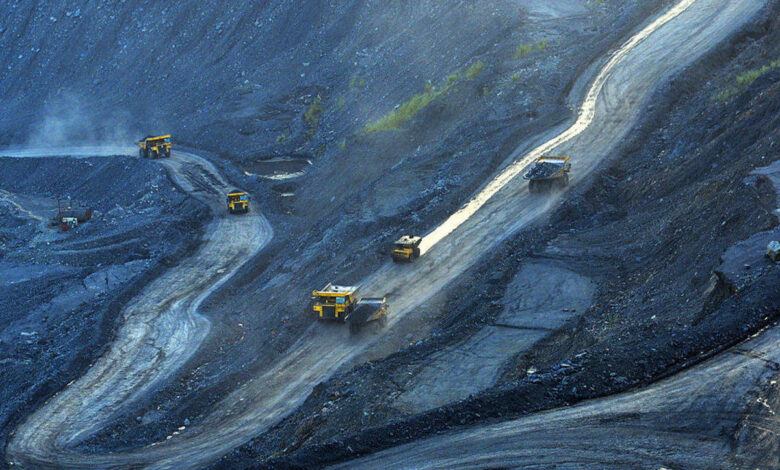
Eastern Coalfields Limited (ECL) plans to close 11 active coal mines over the next one to two years, citing continuing losses and high production costs.
But the proposed closures raise a bigger question: Are these mines genuinely uneconomic—or simply uneconomic under ECL’s present operating model?
ECL produced a record 53 million tonnes of coal in 2025-26, yet suffered a substantial financial loss. The company attributed the losses largely to weak demand for power-grade coal and supply-chain constraints.
Of ECL’s 77 active mines, 57 are reportedly loss-making, with production costs exceeding the value of coal produced at these operations.
But does loss-making mean worthless?
Not necessarily.
If these mines still contain commercially recoverable coal, permanently closing them could mean leaving a valuable national resource underground.
Instead, the government could consider a transparent competitive leasing or operating model, allowing technically and financially capable private companies to bid for selected mines.
Private operators could bring fresh capital, technology and different cost structures, while the government retains ownership of the mineral resource and earns revenue through applicable royalties, fees and other statutory payments.
Why not test the market?
A mine-by-mine assessment could offer three options:
Continue: Mines that can be made profitable by ECL.
Lease/partner: Mines with viable reserves but requiring a different operating or investment model.
Close: Mines proven to be commercially unviable even under alternative models.
The issue becomes particularly relevant as ECL targets 81 million tonnes of annual coal production by 2034-35.
The government should therefore ask a simple question:
If ECL cannot profitably extract the coal, should the coal be abandoned—or should somebody else be allowed to extract it under a transparent framework?
The debate is not necessarily public sector versus private sector.
It is about how India gets the maximum value from its finite national coal resources.
Before closing a mine, shouldn’t the government first find out whether someone else can run it profitably?