
Is Tejas Mk1A Production Bottleneck Finally Easing? HAL Gets 3 More GE Engines
The dependence on the GE F404 also underlines the strategic importance of India's efforts to develop indigenous fighter-engine technology
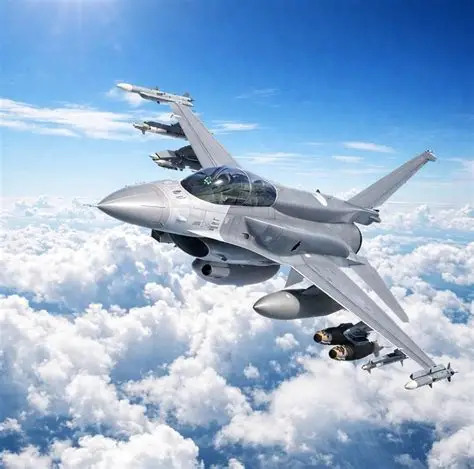
Defence PSU Hindustan Aeronautics Limited (HAL) has received three more GE F404-IN20 engines from GE Aerospace for the Tejas Mk1A programme, raising hopes that one of the key constraints affecting India’s indigenous fighter aircraft production could finally be easing.
The latest shipment, delivered in August 2026, is part of GE Aerospace’s contracted supply of 99 F404-IN20 engines for the Tejas Mk1A programme. While three engines alone cannot resolve the production challenge, the continued arrival of engines is an important development for HAL as it works to accelerate aircraft manufacturing and deliveries to the Indian Air Force (IAF).
Three More Engines Arrive for Tejas Mk1A
The F404-IN20 is the powerplant for the Tejas Mk1A. HAL’s receipt of three additional engines provides the company with more propulsion systems for aircraft progressing through its production pipeline.
GE Aerospace’s contract with HAL covers 99 engines and is reportedly valued at around ₹5,375 crore.
The latest delivery is significant because engine availability has been one of the most closely watched aspects of the Tejas Mk1A programme.
For a fighter aircraft manufacturer, having the airframe ready is not enough. The engine is one of the final and most critical pieces required before an aircraft can proceed towards testing and eventual delivery.
The Big Question: Is the Bottleneck Ending?
The arrival of three engines is encouraging, but it would be premature to declare the engine bottleneck completely resolved.
The real test is whether GE Aerospace can now maintain a steady and predictable delivery schedule.
HAL needs a continuous supply of engines rather than occasional shipments. If engine deliveries keep pace with aircraft production, HAL can plan assembly, testing and deliveries more efficiently.
That could mark an important turning point for the Tejas Mk1A programme.
If, however, engine deliveries remain irregular, propulsion availability could continue to constrain the overall production rate.
GE Had to Restart F404 Production
The F404 supply situation is particularly important because GE Aerospace had to restart production of the engine after a multi-year production gap.
GE had previously supplied 65 F404-IN20 engines for India’s original Tejas programme.
The renewed production was required to meet India’s requirements for the larger Tejas Mk1A programme.
This makes the latest deliveries an important indicator of whether the restarted F404 production line is now moving towards a sustainable supply rhythm.
180 Tejas Mk1A Aircraft Ordered
The Indian Air Force has ordered 180 Tejas Mk1A aircraft, making the programme a central component of India’s effort to modernise its fighter fleet.
The Mk1A incorporates significant improvements over the original Tejas Mk1, including enhanced avionics, electronic warfare capabilities, radar and maintainability.
The scale of the order means that HAL’s ability to manufacture the aircraft at a sustained rate is strategically important.
More Than Just an HAL Production Issue
The Tejas Mk1A programme is also a test of India’s wider aerospace manufacturing ecosystem.
The aircraft is designed and manufactured in India, but critical systems still depend on international suppliers.
This means that the production rate of an indigenous fighter can ultimately be affected by the availability of a single imported component.
The F404 situation therefore highlights one of the biggest challenges facing India’s defence-industrial ambitions: building an indigenous aircraft is one achievement; creating a fully resilient domestic supply chain is another.
Indigenous Engine Capability Remains Critical
The dependence on the GE F404 also underlines the strategic importance of India’s efforts to develop indigenous fighter-engine technology.
India’s long-term objective is to reduce dependence on foreign propulsion systems, but developing a reliable high-performance fighter engine is among the most technically challenging tasks in aerospace engineering.
Until that capability matures, reliable supplies of engines such as the F404 will remain critical to keeping India’s fighter production lines moving.
The Next Few Months Will Matter
The latest three-engine delivery is undoubtedly positive news for HAL and the Tejas Mk1A programme.
But the real indicator will be what happens next.
If GE Aerospace continues delivering engines consistently and HAL is able to convert that supply into a higher and more predictable aircraft production rate, the long-standing bottleneck could finally begin to ease.
For now, the development should be viewed as a positive signal rather than a final breakthrough.
The Tejas Mk1A programme is entering a crucial phase, and the ability to maintain a steady flow of engines could determine how quickly HAL can turn India’s large fighter order book into aircraft in IAF service.
Three more engines have arrived. Now the question is whether the flow will continue.